
In our fast-paced world, the modern supermarket is a beacon of convenience. With aisles stretching as far as the eye can see, offering produce from every corner of the globe regardless of the season, it’s easy to feel we have an abundance of choice. However, this convenience often comes with a hidden cost: a significant decline in nutritional value. The journey from a distant farm to your kitchen counter is a long one, and with every mile traveled, precious vitamins and minerals are lost.
What if there was a way to step off this global conveyor belt and tap into a source of food that is fresher, more flavorful, and packed with the nutrients our bodies crave? There is. By looking closer to home and embracing locally sourced produce, you can unlock a new level of health and vitality. This article explores why local produce is a nutritional powerhouse and how you can easily make it a cornerstone of your diet for better health.
The Long Road to the Grocery Store
To truly appreciate the benefits of local food, it helps to understand the typical journey of supermarket produce. A head of lettuce or a batch of tomatoes you buy at a large chain store may have been harvested weeks, or even months, ago, often in a different country. The process generally looks something like this:
- Premature Harvesting: Fruits and vegetables are often picked before they are fully ripe. This makes them sturdier and less likely to spoil during long-distance shipping. However, it also means they haven’t had the chance to develop their full spectrum of vitamins, minerals, and antioxidants, which peaks in the final days of ripening on the vine.
- Long-Term Storage: After harvesting, produce is often kept in cold storage facilities with controlled atmospheres for extended periods to manage supply and demand. While this prevents rotting, it doesn’t stop nutrient degradation. Studies have shown that vegetables like spinach can lose over half of their vitamin C within a week of being harvested.
- Transportation: The produce is then shipped hundreds or even thousands of miles by truck, train, or boat to a distribution center before finally making its way to your local supermarket.
- Artificial Ripening: To achieve that “fresh-picked” look, unripe produce is often treated with ethylene gas to trigger the ripening process just before it hits the shelves. This is a cosmetic fix that does not restore the nutrients lost from being picked too early.
By the time this “fresh” produce reaches your shopping cart, it can be a shadow of its former nutritional self. It may look the part, but it lacks the vibrant flavor and health-boosting power of truly fresh food.
The Nutritional Powerhouse: Why Local is Better
Choosing to buy produce from local sources dramatically shortens the supply chain, often from weeks to mere days or hours. This direct path from the farm to your table is the key to unlocking superior nutrition.
Peak Ripeness = Peak Nutrients
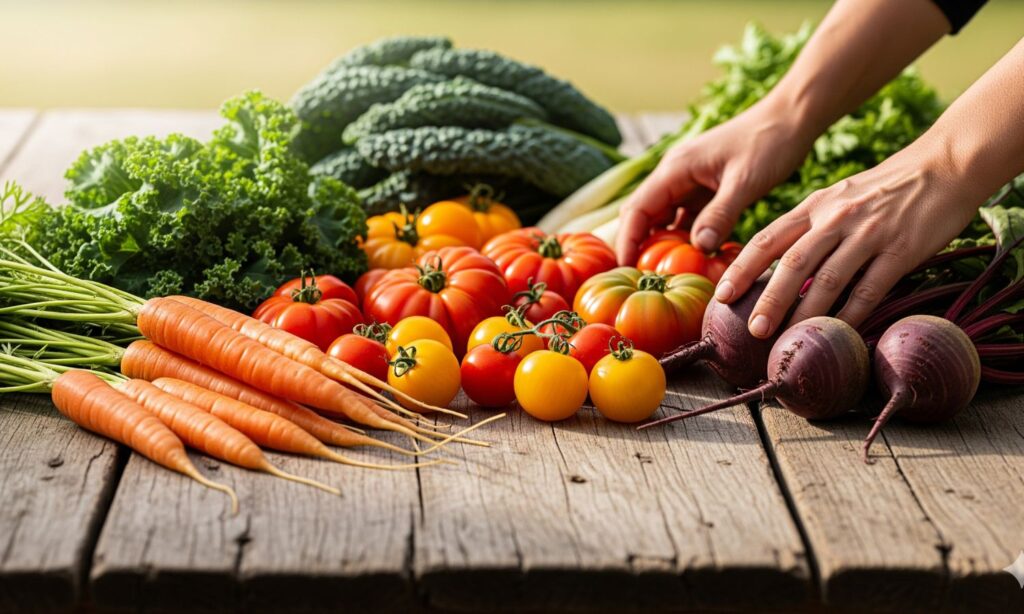
Local farmers don’t have to worry about cross-country shipping. They can allow their crops to ripen fully on the plant, soaking up sunlight and drawing nutrients from the soil until the very last moment. This is when a fruit or vegetable is at its absolute peak, containing the highest possible levels of vitamins, antioxidants, and phytonutrients. The taste difference is undeniable—a sun-ripened tomato from a local farm is worlds apart from its pale, mealy supermarket counterpart.
Shorter Transit, More Vitality
The concept of “food miles”—the distance food travels from where it’s grown to where it’s eaten—has a direct impact on its nutritional quality. Delicate nutrients, particularly water-soluble vitamins like Vitamin C and B vitamins, begin to break down as soon as the produce is harvested. By cutting the transit time from weeks to a day or two, you ensure that more of these vital nutrients make it to your plate. This means the food you eat is not only fresher but actively contributes more to your overall health and well-being.
A Deeper Connection to Your Food
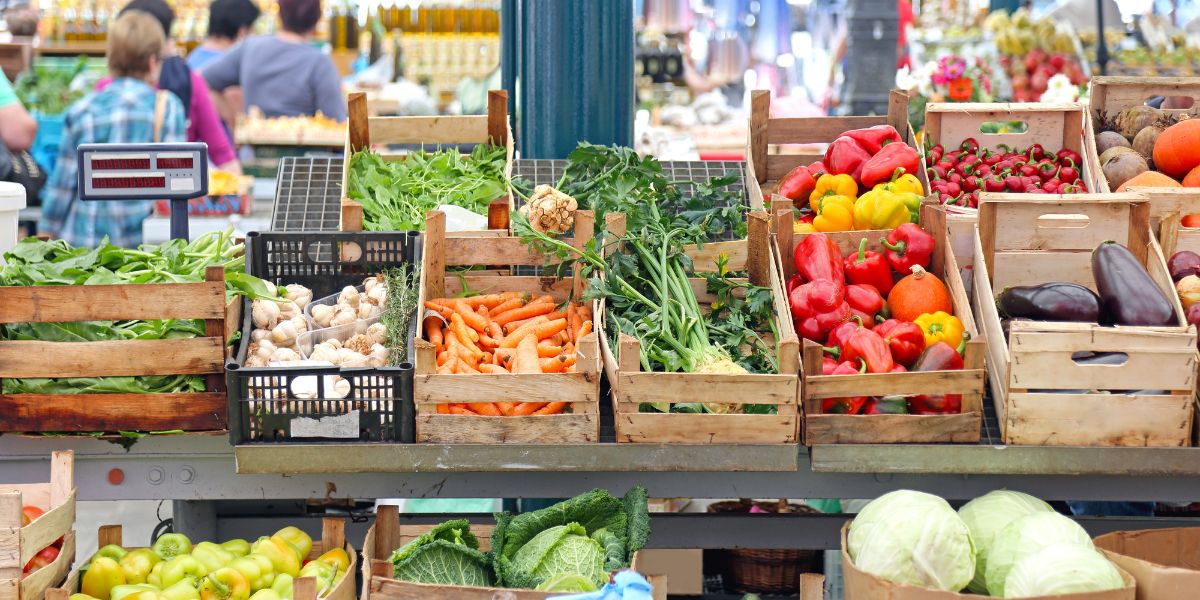
Sourcing food locally rebuilds a connection that has been lost in our modern food system. When you buy directly from a farmer, you can ask questions about how your food was grown. This transparency is invaluable. Finding these direct sources is easier than ever, with community resources like local farmers markets providing a direct bridge between the people who grow the food and the people who eat it. This simple act fosters a greater appreciation for your meals and supports the local economy.
Building a Health-Focused Diet with Local Foods
Integrating local produce into your diet is a foundational step toward profound improvements in your health, whether you’re looking to cleanse your system, explore a plant-based lifestyle, or simply eat cleaner.
The Foundation of a Clean Diet
A diet rich in fresh, vibrant, and nutrient-dense foods is essential for the body’s natural cleansing processes. When you consume produce that is free from long-haul preservatives and bursting with vitamins and enzymes, you are giving your body the best possible tools to thrive. In fact, the importance of food and nutrition in detox cannot be overstated; clean, local foods provide the pure fuel your system needs to function optimally.
Exploring Plant-Based Possibilities
Shopping locally and seasonally opens up a world of culinary creativity, especially for those interested in a vegetarian diet. You’ll discover new varieties of vegetables you won’t find in a typical grocery store, inspiring you to try new recipes and cooking methods. A diet centered around these nutrient-dense plants can have powerful restorative effects on the body and mind. The stabilizing and nourishing power of a whole-foods, plant-based diet is so significant that researchers are even exploring if eating vegetarian can help drug addicts as part of a comprehensive recovery program.
The Organic Advantage
Many small-scale local farmers utilize sustainable and organic farming practices, even if they haven’t gone through the expensive official certification process. By talking directly to them, you can learn about their methods for pest control and soil health. Choosing foods grown without synthetic pesticides and fertilizers is a critical step for anyone who wants to learn more about organic foods and reduce their body’s chemical load.
Practical Tips for Sourcing Local Produce
Making the switch to local eating is simpler than you might think. Here are a few ways to get started:
- Visit a Farmers’ Market: This is the most common and accessible way to buy directly from multiple local producers in one place.
- Join a CSA Program: Community Supported Agriculture (CSA) involves buying a “share” of a farm’s harvest at the beginning of the season. You then receive a box of fresh produce every week.
- Look for Farm Stands: Keep an eye out for roadside farm stands, which offer incredibly fresh, just-picked produce.
- Use Online Directories: Resources like the USDA National Farmers Market Directory can help you find markets, farm stands, and CSAs in your area.
Conclusion
Choosing local produce is about more than just good taste; it’s a powerful investment in your health. By stepping away from the long supply chains of conventional supermarkets, you gain access to food that is richer in nutrients, free from unnecessary chemicals, and bursting with natural flavor. You support your local community and reconnect with the origins of your food. The next time you plan your meals, consider looking beyond the supermarket aisles. Your body will thank you for it.