
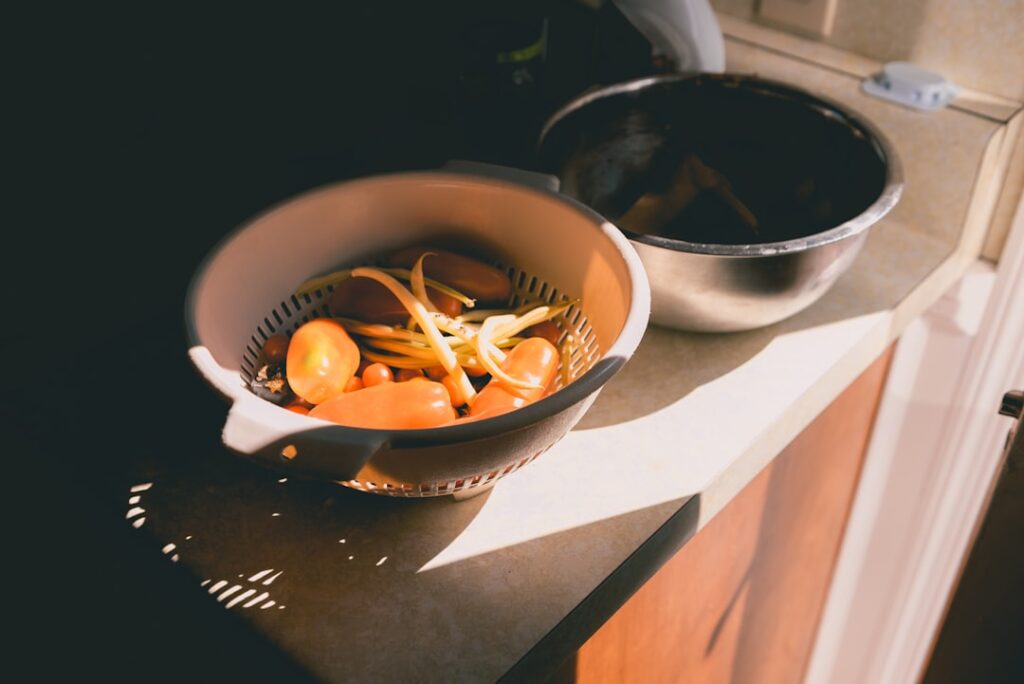
Cultivating a Quiet Mind: Navigating the Spectrum of Inner Chatter from Your Kitchen
It’s 5 PM. The pan is sizzling, the oven timer is about to scream, and your brain is scrolling through an endless to-do list: Did I reply to that email? What time is soccer practice? Is this meal even healthy? This chaotic symphony, this constant mental hum, is the “Inner Chatter” we all know. It can turn the heart of the home into the epicenter of our stress. For so many of us, cooking can feel less like a creative joy and more like another frantic task to check off.

But what if we flipped the script? What if your kitchen could be your sanctuary, your dojo, your quiet space?
Get excited, because we’re about to show you how the very act of preparing food can be a powerful, active meditation for Cultivating a Quiet Mind. This isn’t about adding another complicated practice to your day. It’s about transforming what you already do into a tool for peace. This guide will help you navigate the entire spectrum of inner chatter, turning your cooking routine into a mindful practice that forms the true foundation of a healthy lifestyle—one where you are staying healthy by eating right in both body and mind.
Key Takeaways
- Identify Your Chatter: Recognize the specific types of mental noise in your kitchen—from meal-planning anxiety to multitasking madness and self-criticism—to begin taking control.
- Your Kitchen is Your Studio: Transform cooking from a chore into a mindfulness practice. Use techniques like mise en place and sensory engagement to anchor yourself in the present moment.
- Eat for a Calm Mind: Understand the powerful food-mood connection. Incorporating nutrient-dense foods like leafy greens and healthy fats isn’t just for physical health; it’s essential for taming inner chatter.
- Calm is a Skill: The focus and presence you cultivate at the cutting board are transferable skills that can bring more peace and mindfulness to all areas of your life.
Decoding the Home Cook’s Inner Chatter
Before we can quiet the noise, we have to understand what’s making it! Recognizing these patterns is the first, most powerful step. It’s about seeing the chatter for what it is—just thoughts, not commands.
The Planner’s Panic: “What’s for dinner?” on a Loop
This is that low-grade, buzzing anxiety that starts Monday morning and doesn’t let up. It’s the mental load of planning meals, remembering grocery lists, accounting for picky eaters, and trying to keep things interesting. This constant forward-planning pulls you out of the present moment and traps you in a cycle of what-ifs and to-dos long before you ever pick up a knife. It’s a huge part of why so many people feel overwhelmed and wonder why it is necessary to turn veggie or make any dietary change—it can feel like just another thing to manage.
The Multitasking Whirlwind: Chopping Onions, Checking Emails
You’re trying to chop an onion, listen to a podcast, check a work email on your phone, and make sure the dog isn’t eating something off the floor. Sound familiar? This fragmented attention is a massive source of a noisy mind. Your brain is being pulled in a dozen directions, which not only spikes stress hormones but also leads to mistakes—like burnt garlic or a forgotten ingredient. This is the opposite of the focused, joyful experience that cooking can be.

The Inner Critic: “Is this healthy enough? Will they even eat it?”
This is the loudest and often the harshest voice in the kitchen. It’s the voice of self-judgment, fueled by social media perfection and the pressure to do everything right. It questions your choices, criticizes your knife skills, and predicts dinner-table disaster before the food is even served. This inner critic robs the joy from the creative process, turning what should be an act of love and nourishment into a performance review where you are the only judge.
Your Kitchen, Your Sanctuary: A Practical Guide to a Quiet Mind
Ready for the fun part? Let’s turn your kitchen into a vibrant space for finding peace. These aren’t complicated techniques; they are simple shifts in awareness that use the tasks you’re already doing.
The First Step: Mindful Mise en Place
In the culinary world, mise en place means “everything in its place.” It’s the practice of prepping all your ingredients before you start cooking. But we’re going to treat it as a mental technique, too. This is your first step in navigating away from the chatter and finding balance through mindful cooking.
- Actionable Tip: Dedicate your full attention to preparing one vegetable. Don’t think about the next step or the final dish. Just focus on this one task. Feel the smooth, cool skin of a bell pepper. Hear the crisp snap as you slice into a carrot. Notice the vibrant green of the cilantro. Watch the rhythmic, satisfying motion of your knife. This single-tasking grounds you instantly. If you need inspiration, think about the simple, satisfying process of learning how to caramelize onions—a slow, sensory journey that results in something amazing.
Engage the Senses, Still the Mind
Your kitchen is a sensory wonderland! The sounds, smells, and sights are powerful anchors that can pull your attention back to the present moment, away from the mental noise.
- Actionable Tip: Instead of letting the sizzle of garlic in olive oil add to the chaos, consciously tune into it. Let it be the only sound you hear. Close your eyes for a second and deeply inhale the fragrance of the basil you’re chopping. Watch the mesmerizing swirl of steam rising from a pot of water. When you intentionally engage your senses, you leave less room for the inner chatter to take over. You’re not just making a Spicy Kung Pao Tofu; you’re conducting a symphony of aromas and sounds.
The Simmer and a Stretch: Embracing the Pauses
So much of cooking involves waiting: water boiling, vegetables roasting, soup simmering. We usually see these moments as opportunities to frantically start another task. Let’s reframe them as built-in moments of peace.

- Actionable Tip: While your delicious Lentil Soup with Mushrooms and Quinoa is simmering, resist the urge to empty the dishwasher. Instead, take a deep breath and do a simple kitchen yoga stretch. Roll your shoulders back. Gently stretch your neck from side to side. Place your hands on the counter and lean back into a gentle back stretch. This is about connecting your mind and body, creating a gentle sanctuary right where you stand. It’s a small act of cultivating stillness for inner balance.
Fueling a Quiet Mind: The Food-Mood Connection
The practice of mindful cooking is incredible, but the ingredients you choose play a huge role, too! Staying healthy by eating right isn’t just about your physical body; it’s about providing your brain with the nutrients it needs to foster calm and clarity.
Foods that Help Tame the Inner Chatter
Certain nutrients are scientifically recognized for their ability to support brain health and calm the nervous system. Think of these not as “diet foods,” but as ingredients for a peaceful mind.
- Magnesium: Often called “nature’s relaxant,” magnesium can help regulate neurotransmitters that promote calm. A deficiency is often linked to heightened anxiety. You can find it in leafy greens (spinach, kale), nuts, seeds, and legumes.
- Healthy Fats (Omega-3s): Your brain is made up of about 60% fat, and it needs a steady supply of healthy fats to function optimally. Omega-3s, found in avocados, walnuts, and flaxseeds, are crucial for brain health and have been shown to help reduce symptoms of anxiety.
- Complex Carbohydrates: Foods like sweet potatoes, oats, and quinoa prompt the brain to produce more serotonin, the “feel-good” neurotransmitter. This helps promote a sense of well-being and calm.
A simple way to incorporate these is by adding a handful of spinach to your next smoothie or making a Super Flavorful Vegetarian Burrito Bowl packed with avocado and complex carbs. Understanding the importance of food and nutrition is key to a holistic approach to wellness.
The Ritual of a Pre-Cooking Herbal Tea
How you transition from a hectic day into your cooking time matters. A simple ritual can signal to your brain that it’s time to slow down and shift gears.
- Actionable Tip: Before you start chopping, brew a cup of calming herbal tea like chamomile, peppermint, or lavender. Take five minutes to sit down and sip it while you review your recipe. This small, intentional act creates a buffer between the chaos of your day and the calm you want to create in your kitchen. It’s a beautiful, simple way to begin your practice.
Hydration for Headspace
It’s so simple we often forget it: dehydration is a major contributor to brain fog, fatigue, and anxiety. A study from the University of Connecticut’s Human Performance Laboratory found that even mild dehydration can alter a person’s mood, energy level, and ability to think clearly.

- Actionable Tip: Before you do anything else, drink a big glass of water. Picture it clearing away the mental cobwebs and preparing your brain for the focus and creativity to come. This simple habit can make a world of difference in your mental clarity.
From a Quiet Kitchen to a Peaceful Life
The amazing thing is that this practice doesn’t end when the stove is turned off. The calm and presence you cultivate at the countertop are skills you carry with you.
Mindful Eating: Savoring the Fruits of Your Labor
After mindfully preparing a beautiful meal, like a delicious Tomato Basil Caramelized Onion Quiche, the final step is to mindfully enjoy it. This extends the practice from preparation to nourishment.
- How to do it: Put away phones and turn off the TV. Take a moment to look at your food and appreciate the colors and aromas. Chew slowly. Try to identify the different flavors and textures. This act of savoring not only improves digestion but also deepens your gratitude for the food and for your own efforts, completing the cycle of mindful nourishment.
Carrying Calm Beyond the Countertop
The focus you practice while dicing an onion is the same focus you can bring to a work project. The patience you learn while waiting for a sauce to reduce is the same patience you can apply in a difficult conversation. By turning your kitchen into a place of practice, you are training your mind to be more present, focused, and peaceful in every part of your life. You are learning the art of stillness in the most accessible place imaginable. It’s about cultivating a nurturing community with yourself first, right in your own home.
Your Cutting Board, Your Meditation Mat
Cultivating a quiet mind doesn’t require a silent retreat or an hour on a meditation cushion. It can begin right at your cutting board, with a carrot and a knife. Your kitchen is one of the most powerful and accessible places to start navigating your inner chatter and finding moments of genuine peace.
By transforming your relationship with cooking, you are doing so much more than just making food. You are actively building the foundation for a healthier, more joyful, and more peaceful life. You are proving that staying healthy by eating right is a practice that nourishes your mind just as much as your body, one delicious meal at a time.
Ready to nourish your body and mind? Explore our blog for a collection of simple, wholesome recipes designed to make healthy eating a joyful and calming experience.
What is one small change you can make this week to bring more calm into your kitchen? Share your ideas in the comments below